

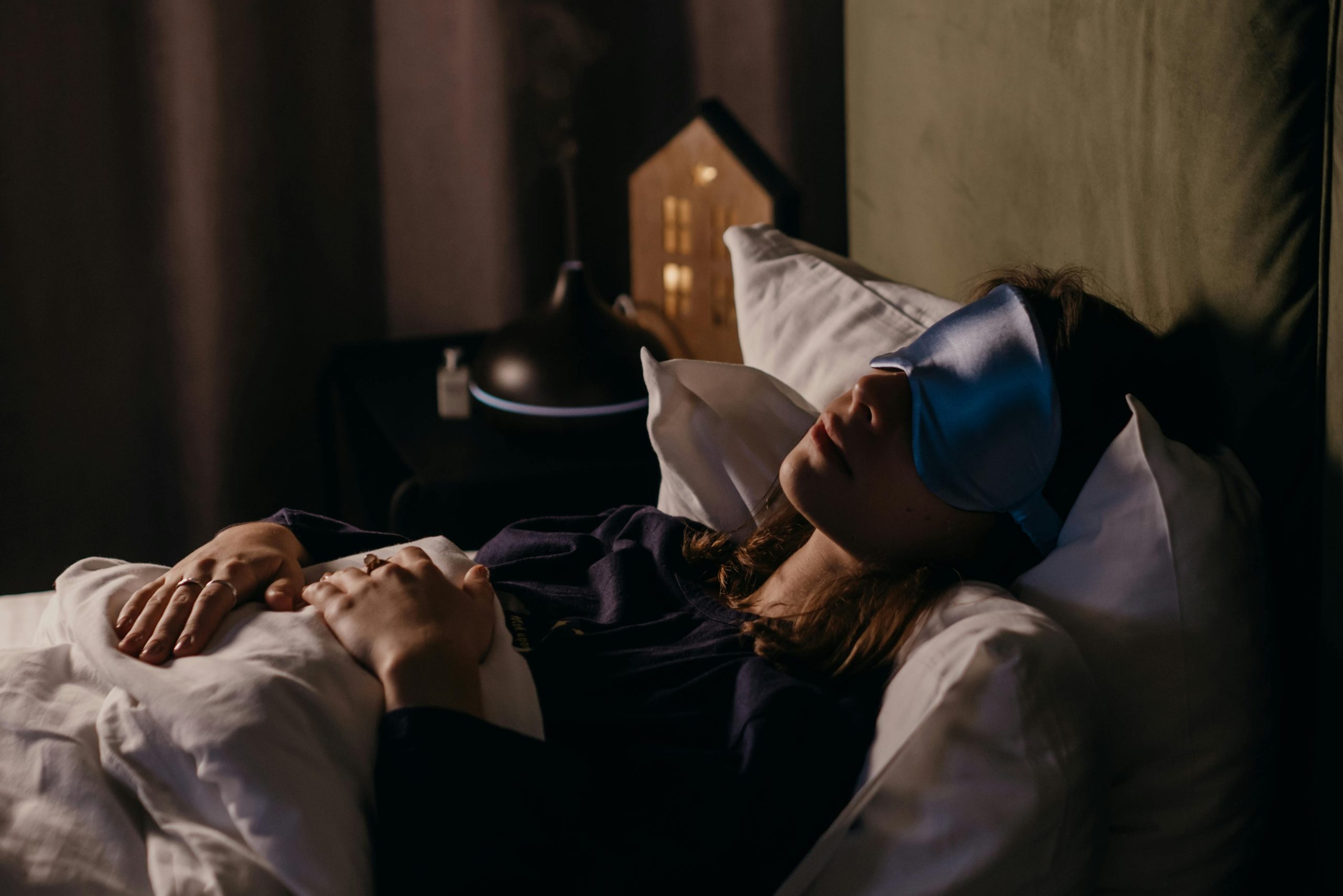
Did you know that nearly one-third of all adults experience some form of sleep disorder during their lifetime? Understanding what’s going wrong during our sleep can really help us feel better during the day. Let’s dive into a Comprehensive Sleep Disorders in Adults Guide: Symptoms!
Sleep is as essential for our bodies as eating, drinking, and breathing, and is vital for maintaining good mental and physical health. Yet, for something so crucial, it’s quite a challenge for many adults to enjoy a sound sleep night after night. If you sometimes find it difficult to fall asleep, wake up frequently during the night, or still feel tired after waking up, you might be experiencing symptoms of a sleep disorder.
What is a Sleep Disorder?
Simply put, a sleep disorder is a condition that frequently impacts your ability to get enough quality sleep. While occasional sleep disturbances are generally nothing much to worry about, persistent difficulties can be a sign of a deeper problem. Recognizing the symptoms early can help you address the problem with the help of health professionals.
Common Types of Sleep Disorders and Their Symptoms
In making your way through the Comprehensive Sleep Disorders in Adults Guide: Symptoms, knowing the specific symptoms of various sleep disorders can be crucial in identifying what you might be facing. Here are a few common ones:
-
Insomnia
- Symptom: Trouble falling asleep, staying asleep, or waking up too early and not being able to go back to sleep.
- How it affects life: You might feel tired during the day, find it hard to concentrate, and may become irritable.
-
Sleep Apnea
- Symptom: Loud snoring followed by periods of silence when breathing stops or nearly stops. Suddenly waking up gasping or choking might follow.
- How it affects life: Besides feeling exhausted the next day, untreated sleep apnea can lead to more serious health issues like heart disease.
-
Restless Legs Syndrome (RLS)
- Symptom: A nearly irresistible urge to move your legs, typically in the evenings.
- How it affects life: This can interrupt sleep and make it hard to get comfortable at night, leading to daytime tiredness.
-
Narcolepsy
- Symptom: Overwhelming daytime drowsiness and sudden attacks of sleep, no matter the situation.
- How it affects life: These unplanned sleep attacks can make daily activities like driving, working, or socializing dangerous and difficult.
How Can You Tell If You Have a Sleep Disorder?
If you find familiar signs from the list above happening more than occasionally, it might be good to take some steps to figure out why. Start by observing your sleep habits, maybe by keeping a sleep diary. Note down when you go to bed, how easily you fall asleep, how often you wake up at night, and what time you wake up.
FAQ Section
Q1: Can diet affect sleep disorders?
Yes, indeed! The consumption of caffeine or heavy, rich foods can disrupt your sleep pattern. Try to avoid caffeine close to bedtime and eat a light evening meal.
Q2: How important is exercise in managing sleep disorders?
Very important! Regular physical activity can help you fall asleep faster and deepen your sleep. Just be sure not to exercise too close to bedtime.
Q3: When should I consider seeing a doctor about my sleep troubles?
If your sleep issues persist for longer than a few weeks and significantly impact your daily life, it’s a good idea to consult a healthcare provider. They can guide you on further steps and even suggest sleep specialists if needed.
Conclusion
Navigating through the complexities of sleep disorders might not be an easy journey, but understanding the symptoms is a start. Remember, achieving good sleep is possible and can significantly improve your overall health and quality of life. If you think you’re experiencing symptoms mentioned in this Comprehensive Sleep Disorders in Adults Guide: Symptoms, take action by monitoring your habits and seeking help when necessary. Sweet dreams and good night!