

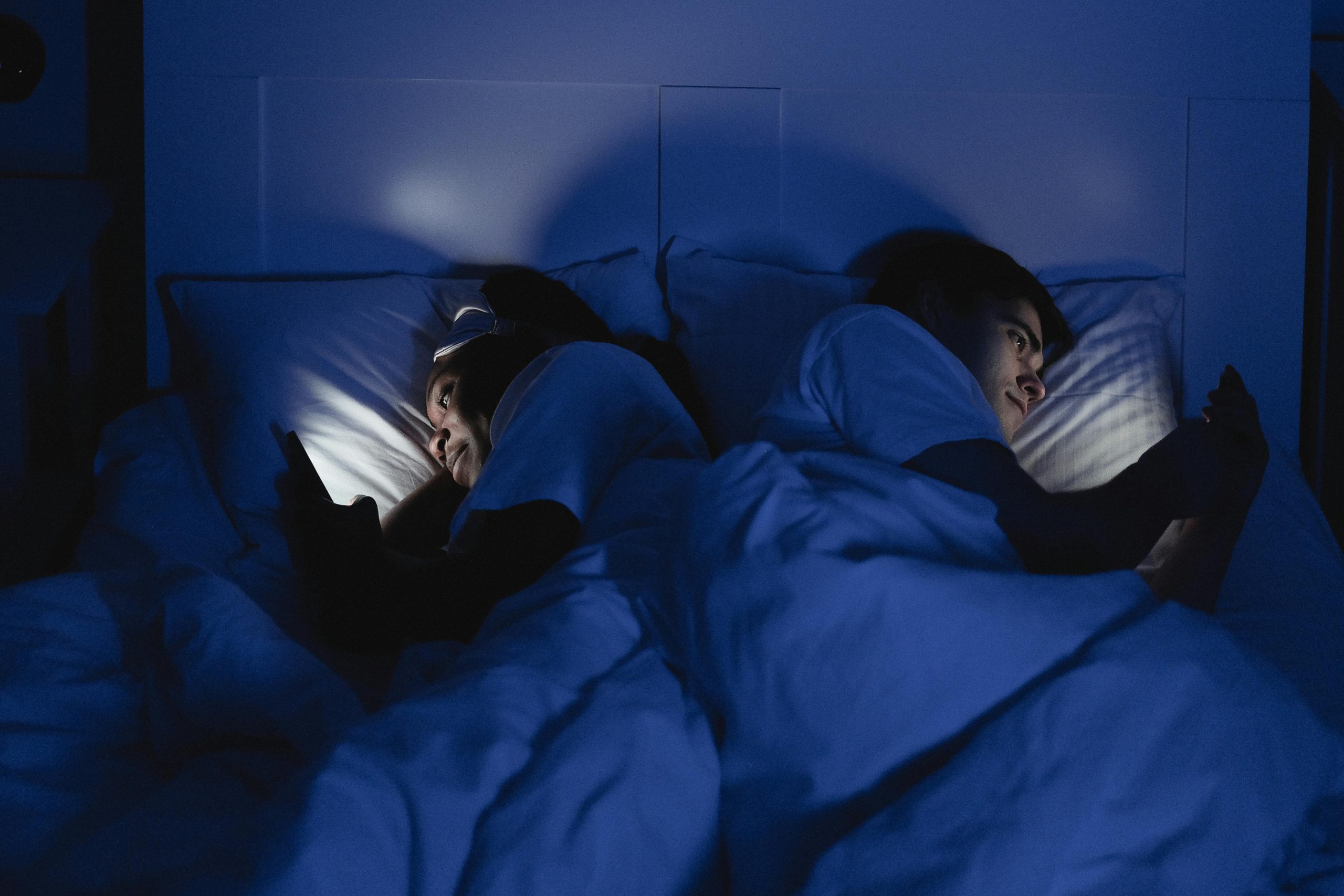
Have you ever wondered how different your sleep would be without your phone or laptop buzzing beside you?
Most of us keep our electronic devices within arm’s reach, even when we’re trying to get some shut-eye. It’s become so common that many of us don’t even think about it anymore. Yet, what we might not realize is exactly how these gadgets seriously affect our sleep. Let’s dive into the world of “How Electronics Impact Your Sleep Environment: Understanding the Connection.”
The Blue Light Effect
To start with, let’s talk about blue light. This might sound cool and harmless, but it’s actually one of the top sleep-stealers in our bedrooms. So, what is blue light? It’s a type of light given off by screens on our gadgets like smartphones, computers, and TVs. During the day, blue light is actually helpful because it keeps us awake and alert. But at night, it’s a different story.
When it’s dark, our bodies produce a hormone called melatonin which tells us it’s time to go to sleep. However, the blue light from screens messes with this process. It tricks our brains into thinking it’s still daytime, making it harder to fall asleep. So if you’re wondering why you can’t sleep after binge-watching your favorite show, now you know!
Noise Pollution
Next up is the beeping and buzzing – yes, the notifications. Even in silent mode, phones often light up or vibrate. This noise and light can snap us out of the edge of sleep, or make our sleep lighter and more restless. Imagine trying to sleep in a busy hallway; that’s what it’s like having an active phone near your pillow.
Heat Waves
It’s not just about light and noise – there’s also heat to consider. Electronics emit heat which can raise the temperature in your sleep environment. Ever noticed how warm your laptop gets when it’s been on your lap for a while? Well, when you’re trying to sleep, extra heat can make your room uncomfortably warm, disrupting your sleep.
Creating a Sleep-Friendly Zone
Now that we know how electronics impact your sleep environment, what can we do about it? Here are several easy steps:
-
No Electronics Before Bed: Try to turn off your gadgets at least an hour before you plan to sleep. Read a book or listen to some soothing music instead.
-
Keep Devices Out of the Bedroom: If possible, charge your devices in another room. It might be hard at first, but your brain will thank you for a peaceful place to rest.
-
Use Night Mode: If you really have to use your devices, switch them to night mode. This changes the screen to emit less blue light.
-
Cool and Quiet: Keep your room cool and quiet. Look for ways to keep the gadget heat out and consider using blackout curtains to block light from the outside.
FAQ Section
-
What is blue light and why is it bad for sleep?
Blue light is a type of light from screens. It’s bad for sleep because it can stop your body from making melatonin, which is the hormone that makes you sleepy. -
How can I make my room better for sleeping?
Try to keep your room cool, dark, and quiet. Use curtains to keep out street lights, keep electronics in another room, and maybe use a fan or a white noise machine to stay cool and drown out small noises.
Conclusion
Understanding how electronics impact your sleep environment can make a big difference in your everyday life. By adjusting your bedtime habits and making your sleep environment more gadget-free, you can help ensure that you get better, more restful sleep. Remember, every small change you make can lead to a big improvement in your sleep quality!
By taking the steps mentioned above, you’ll not only sleep better but also wake up feeling more refreshed and ready to tackle the day. So, consider your bedroom a gadget-free zone, bid goodnight to your electronic devices a little earlier, and enjoy the benefits of a good night’s rest!