

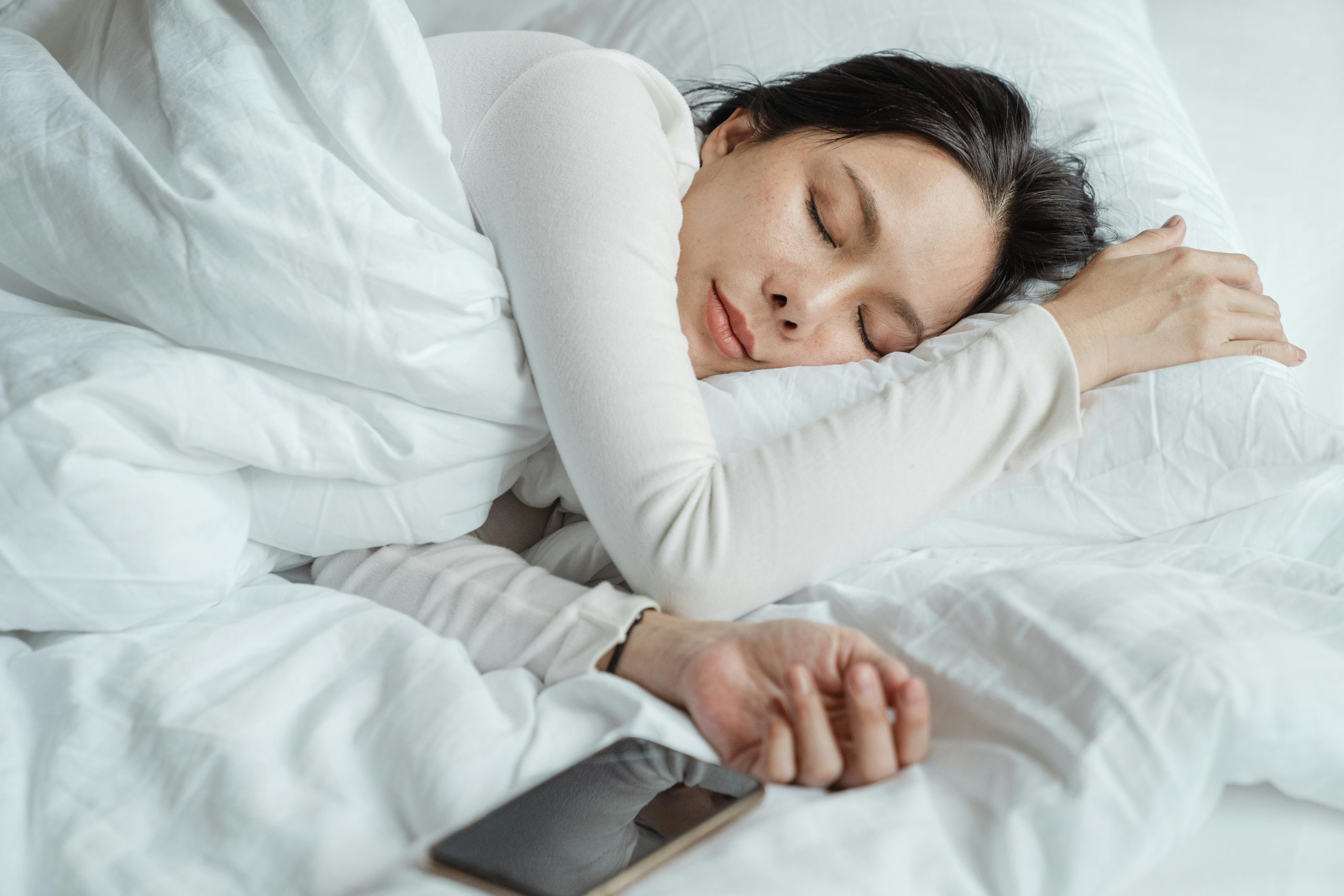
Have you ever tossed and turned in bed, feeling like sleep is just out of reach?
It happens to the best of us. Stress and anxiety can often keep us awake, turning what should have been a cozy time into a battle with blankets. Today, I want to share some amazing tips on Unlocking Nightly Bliss: Essential Better Sleep Tips for Stress and Anxiety Relief that can help anyone struggling with sleepless nights.
1. Establish a Calming Pre-Sleep Routine
The first step to beating sleep troubles is having a calm bedtime routine. Start by doing something relaxing before bed. This could be reading a book, listening to soft music, or even practicing some gentle yoga. The key is to choose activities that make you feel relaxed, not excited or tense.
2. Create a Comfortable Sleep Environment
Your bedroom should be a sleep sanctuary. Make sure it’s quiet, dark, and cool. A comfortable mattress and pillows are also crucial. You might not think about it much, but the feel of your sheets can also affect how well you sleep. Soft, breathable fabrics can make a big difference.
3. Limit Screen Time
It’s easy to get caught up watching videos or scrolling through social media before bed, but those bright screens can trick your brain into thinking it’s still daytime. Try to put away electronic devices at least an hour before bedtime. If you need something to help you unwind, try reading a paperback book or a magazine instead.
4. Watch What and When You Eat and Drink
Eating a big meal right before bed can make it hard to sleep. Try to have dinner a few hours before bedtime and avoid heavy, rich foods. Also, drinking too much liquid before bed can lead to frequent trips to the bathroom throughout the night. And remember, caffeine and sugar can keep you awake, so avoid coffee, tea, chocolate, and sodas late in the day.
5. Practice Relaxation Techniques
Techniques like deep breathing, meditation, or visualizing a peaceful scene can help shift your mind away from stress and anxiety. You could imagine a quiet beach, the soft rustling of leaves in a forest, or any place that helps you feel relaxed. The more you practice these techniques, the easier it will be to fall asleep.
6. Stick to a Schedule
Going to bed and waking up at the same time every day can significantly improve your sleep over time. Yes, even on weekends! This helps regulate your body’s internal clock and can help you fall asleep and wake up more naturally.
7. Be Mindful of Nap Times
While naps can be a great way to catch up on missed sleep, taking them too late in the day or for too long can interfere with your nighttime sleep. If you need to nap, try to keep it short—about 20-30 minutes—and not too late in the day.
FAQ Section:
Q: What should I do if I can’t fall asleep?
A: If you’re not asleep after 20 minutes, get out of bed and do something calming in low light, like reading. Keep the activity quiet and avoid screens. Return to bed when you’re feeling sleepier.
Q: How does exercise affect sleep?
A: Regular physical activity can help you fall asleep faster and enjoy deeper sleep. However, exercising right before bed can make some people feel too energized to sleep. Try to finish workouts at least a few hours before bedtime.
Q: Is it okay to sleep with the TV on?
A: It’s best to turn off the TV. Noise and light from a TV can disrupt sleep, even if you don’t fully wake up. If you need background noise, consider a sound machine or a fan.
Conclusion
Mastering the secrets of Unlocking Nightly Bliss: Essential Better Sleep Tips for Stress and Anxiety Relief might take a little effort, but it’s worth it for the peaceful, restful nights ahead. By creating a pre-sleep routine, setting up a comfortable environment, and regulating your body’s clock among other things, you’ll be setting the stage for a great night’s rest. Remember, a good night’s sleep isn’t just about feeling rested. It’s about improving your overall health and quality of life. Sweet dreams and happy sleeping!