

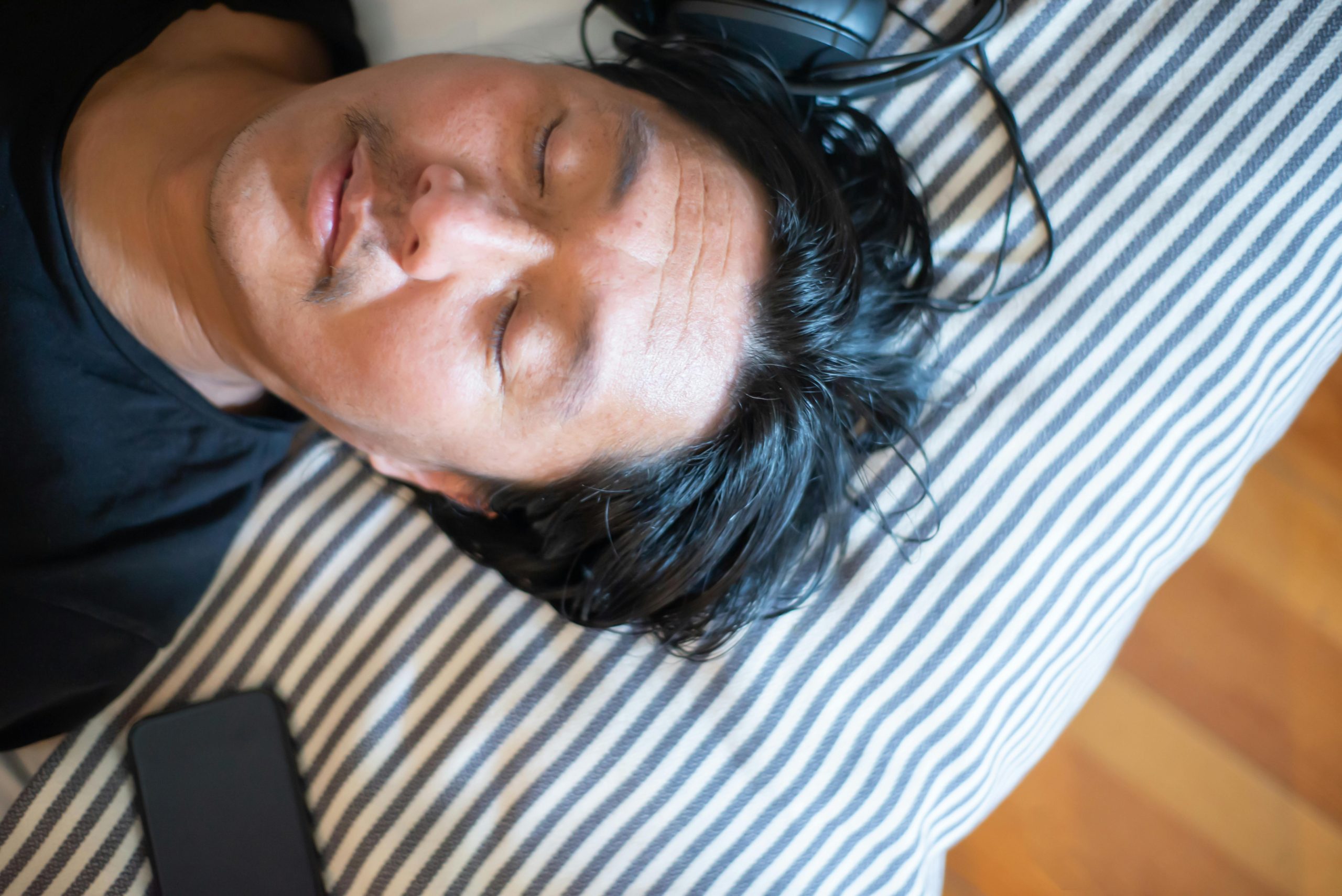
Start with a Surprising Fact
Did you know that a whopping one-third of our lives is spent sleeping? Yet, so many of us struggle to get a good night’s rest! It’s crucial for our health and well-being to figure out how we can improve our sleep habits. That’s why I’m here to help you with “Unlocking Restful Nights: Discover the Best Nightly Habits for Better Sleep.”
Understanding the Basics of Good Sleep
Before diving into the habits that can lead us to better sleep, it’s helpful to know why sleep is so important. When we sleep, our bodies repair themselves. Our brains also process the events of the day and store our memories. Without enough sleep, we can feel grumpy, find it tough to focus, and we might even get sick more easily.
Step-By-Step Guide to Better Sleep
1. Stick to a Sleep Schedule: One of the simplest changes you can make is to go to bed and wake up at the same time every day. Yes, even on weekends! This helps set your body’s internal clock, making it easier to fall asleep and wake up naturally.
2. Create a Nighttime Routine: Doing the same things each night just before bed can signal to your body that it’s time to wind down. This might include reading a book, listening to soothing music, or doing some gentle stretches. Keeping this routine can be a cornerstone in unlocking restful nights.
3. Make Your Bedroom a Sleep-Only Zone: Try to use your bedroom only for sleep and relaxation. Keep it cool, quiet, and dark. Invest in some good curtains or an eye mask if light bothers you. Also, a fan or a white noise machine can help block out sound disturbances.
4. Turn Off the Screens: It can be tempting to scroll through your phone or watch TV right up until bedtime, but the blue light from screens can make it harder to fall asleep. Try to put away electronics at least an hour before bed. This habit is vital for better sleep.
5. Watch What You Eat and Drink: Having a big meal or caffeine close to bedtime can keep you awake. Try to have dinner a couple of hours before you sleep and avoid coffee or soda in the evening. Also, despite milk being known as a sleep promoter, it’s generally good to not drink any liquids right before bed, so you don’t have to wake up to go to the bathroom!
6. Get Active During the Day: Exercise is great for our overall health and can make a huge difference in our sleep quality. However, try not to work out too close to bedtime because it might keep you too energized to sleep.
FAQ Section
Q: How many hours of sleep do I really need?
A: Most teenagers need about 8-10 hours per night, while adults should aim for 7-9 hours.
Q: What if I can’t fall asleep?
A: If you’re lying in bed unable to sleep, get up and do something calming in dim light until you feel sleepy.
Q: Are naps during the day ok?
A: Short naps, around 20-30 minutes, can be refreshing and won’t normally affect your nighttime sleep. Try to avoid longer naps or napping late in the day, as these can make it harder to fall asleep at night.
Conclusion
Unlocking restful nights isn’t just about finding one perfect solution – it’s about experimenting with different habits and seeing what works best for you. By setting a consistent sleep schedule, creating a calming bedtime routine, and making your bedroom a cozy retreat, you’re building a strong foundation for good sleep. Remember, it’s these small changes in your daily habits that can pave the way to truly restful nights. So, why not start tonight? Sweet dreams!