

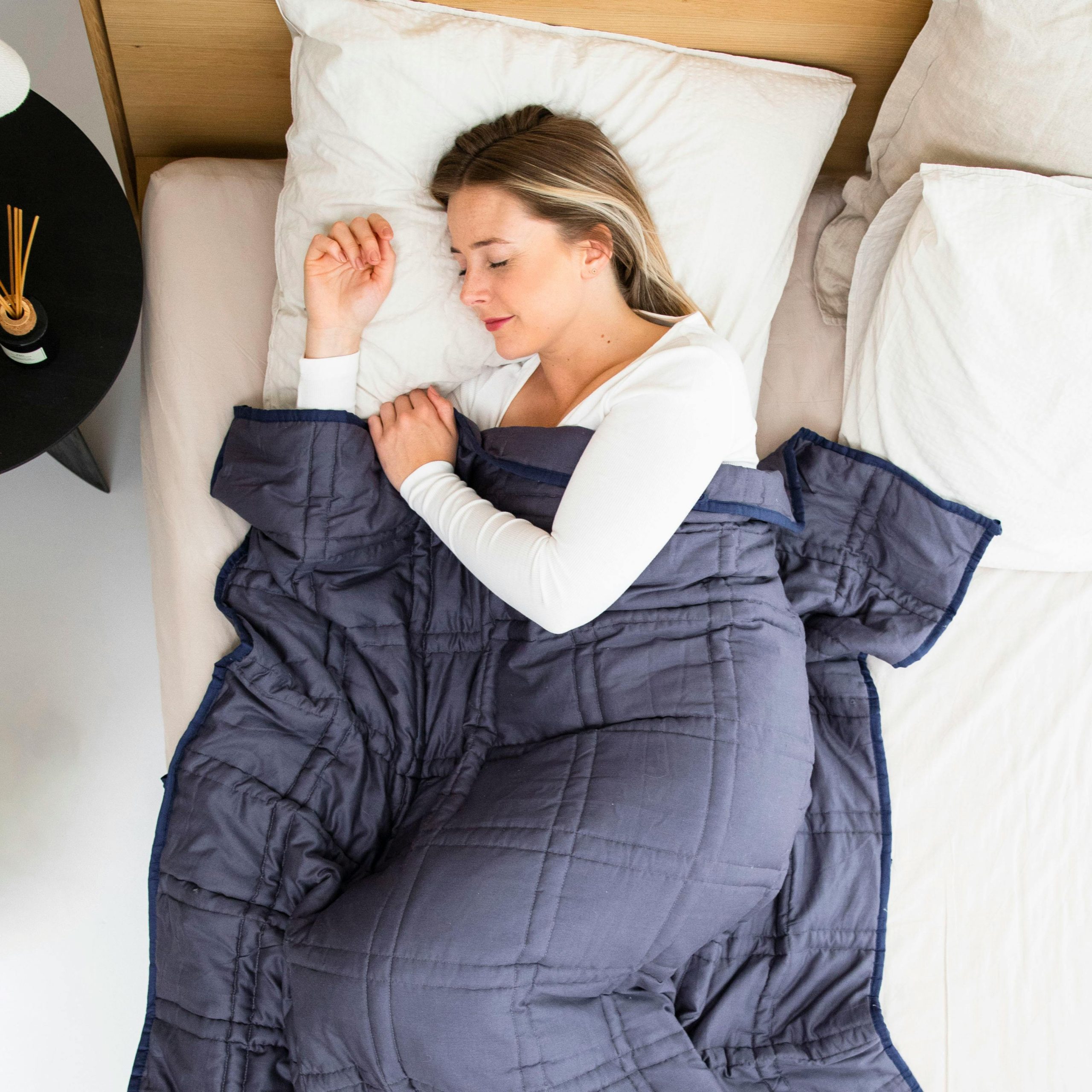
Sleep, that blissful oasis of rejuvenation. But what happens when you wake up in the middle of the night, staring at your ceiling, wondering why you can’t stay asleep longer? Many of us have been there, and it’s frustrating. Let’s explore how to enhance our sleep quality and stay asleep longer, diving into where your solutions might lie.
Understanding Sleep Disruptions
Sleep is a complex process, consisting of different stages that cycle throughout the night. While falling asleep might be relatively easy for some, staying asleep can be more challenging. Understanding why we wake up during the night is the first step in addressing the problem.
Common Causes of Nighttime Awakenings
-
Stress and Anxiety: Your mind doesn’t take a break even when your body does. Stressors from your day can surface at night, disrupting your sleep cycle.
-
Poor Sleep Environment: Noise, light, and uncomfortable temperatures can wake you up from a deep slumber.
-
Dietary Choices: Consumption of caffeine or heavy meals close to bedtime can lead to fragmented sleep.
-
Medical Conditions: Sleep apnea, restless leg syndrome, and even certain medications can affect your ability to stay asleep.
Tips to Stay Asleep Longer
Implementing some practical strategies can transform your nights and help you enjoy longer periods of uninterrupted sleep.
Create a Sleep-Inducing Environment
Your bedroom should be a sanctuary for sleep. Consider the following:
-
Control the Light: Invest in blackout curtains or use a sleep mask to block out unwanted light. This encourages your body’s production of melatonin.
-
Reduce Noise: Earplugs or white noise machines can cancel out disruptions that may wake you.
-
Temperature Matters: Keep your room cool, as a lower body temperature is conducive to deep sleep.
Develop a Consistent Sleep Routine
Your body’s internal clock thrives on routine. Going to bed and waking up at the same time each day, even on weekends, can strengthen your circadian rhythm.
Mind Your Diet
To improve your sleep quality:
-
Limit Stimulants: Avoid caffeine and nicotine in the afternoon. Remember, what you consume can linger in your system for hours.
-
Watch Your Meal Timing: Eating large meals close to bedtime can keep you up. Opt for a light snack, like a small portion of yogurt or a banana, if you’re hungry.
Manage Stress and Anxiety
Engaging in relaxing activities before bed can help clear your mind. Consider:
-
Meditation and Deep Breathing: Focused breathing and mindfulness meditation can ease your mind and prepare you for rest.
-
Journaling: Writing down your thoughts or a to-do list for the next day can help release any lingering anxiety.
The Impact of Lifestyle on Sleep Quality
Your daily habits can significantly affect how long you stay asleep. Let’s explore a couple of lifestyle changes that could benefit your sleep duration.
Exercise Regularly
Regular physical activity can help you fall asleep faster and enjoy deeper sleep. However, timing is key. It’s best to complete strenuous workouts at least a few hours before bedtime to give your body time to wind down.
Limit Electronic Usage
The blue light from screens can interfere with your body’s production of melatonin. Try to power down electronic devices at least an hour before bed, or use settings/apps that reduce blue light emission.
FAQs About Staying Asleep Longer
Q1: Can sleeping pills help me stay asleep longer?
A: Sleeping pills can offer temporary relief, but they often come with side effects and can be habit-forming. Always consult with a healthcare professional before using medication for sleep problems.
Q2: How does alcohol affect my sleep?
A: While alcohol can make you feel sleepy initially, it can disrupt your sleep cycle and lead to less restorative sleep.
Q3: Can taking naps during the day affect staying asleep at night?
A: Napping, especially later in the day, can interfere with nighttime sleep by reducing sleep pressure. If you need to nap, aim for earlier in the day and limit it to 20-30 minutes.
Q4: How long is an ideal sleep duration for adults?
A: Most adults need 7-9 hours of sleep per night. However, individual needs can vary.
Q5: Why do I wake up around the same time every night?
A: This could be due to a variety of factors including stress, sleep environment, or even biological rhythms. Identifying and addressing underlying issues can be beneficial.
Conclusion
A good night’s sleep is within your reach. By creating a conducive sleeping environment, maintaining a consistent routine, and adopting healthy lifestyle habits, you can enhance your ability to stay asleep longer. Remember, the path to restful nights and energetic days is a journey, but one well worth undertaking. Sweet dreams!